Problem
CobraBMS Wireless Technology joined the 2050 net-zero mission, inventing a fully optimizing wireless energy-saving thermostat and system capable of operating a worldwide patented & patent-pending A.I. energy-saving efficiency system for billions of power users. The attempts for more efficient systems were originally designed only to cut energy costs for large buildings, without concern for the pollution in the atmosphere. Today, wireless technology has become a major part of energy saving enabling the ability to connect, and control HVAC systems remotely. The bad news is globally 8 billion people have Internet connected but people currently only 2% use their smart devices for energy efficiency. Worldwide, our (homes) consume 7% of the produced power, with businesses and buildings consume 27% amounts to 7,830,000,000,000 trillion Kwh per/day for h.v.a.c can be reduced by an estimated 20%/30% daily amounting to l,566,000,000,000 trillion KwH. Our 2050 net zero goal is cutting the 14.5 billions of tons of CO2 in producing energy used by h.v.a.c systems worldwide which it’s been estimated H.V.A.C Systems will triple in the next two decades as the world’s population grows from 7.5 to 10.0 billion people.
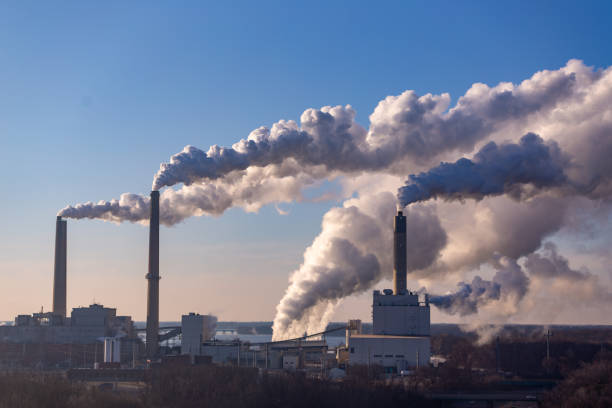
This increased population and increasing power needs may triple carbon emissions, far beyond the estimated 70 billion tons. There are 442,000 barrels of oil used every day, fuel oil burning that creates 14.5 billion tons of CO2 per year. Combining oil refineries daily production of 81,804,400 barrels causing 57% GHG per/day, combined with power utilities use of fossil fuel to produce 29,664,000,000,000 (KwH) daily contributes to the
(80) billion tons of CO2 annually, & climbing as population increases toward 10 billion. Our mission is to reduce fuel, consumption, and electric power by reducing the need at the source, (the end users) and to expeditiously introduce our technologically energy advancement to encourage implementation of our temperature controls. We also plan to collaborate with major competitors, utilities, refineries, governments to support our CO2 reduction plan of the rising levels in our atmosphere. As of 2023, approximately 395 commercial carbon capture and storage (ccs) facilities were in development worldwide, of which only 43 are operational. Most CCS projects are located in North America. CCS is a process of capturing CO2, but according to the International Energy Agency, all the carbon removal equipment in the world is sadly currently capable of removing only 0.01 billion metric tons of carbon per year is far from the 70 billion tons needed annually by 2050 to meet global climate goals.
Energy production will continue growing to meet the demands of an expanding global population. We must also acknowledge the negative impacts of population growth on the 2050 net-zero mission. Recognizing the increasing seriousness of the CO2 problem requires massive solutions from every person on Earth. Public service announcements must be made to informing the world about the effects of emissions effect, causing storms, floods, and other destructive occurrences resulting from climate change. Our research on carbon credits shows that they were originally created for owners of vast forests and undeveloped land. Governments pay tax dollars to these landowners, who must then comply regulations that prevent development allowing plants & trees to produce generous amounts of oxygen for hundreds of years. These protected lands oxygen production counter balances CO2 emissions. However, refineries, & power utilities purchase carbon credits to circumvent modernization efforts aimed at reducing excessive carbon emissions. This slippery slope approach won’t work and is unfair and must not be permitted if we are to meet the 2050 net-zero goal.